Description
What Is Tramadol 100mg?
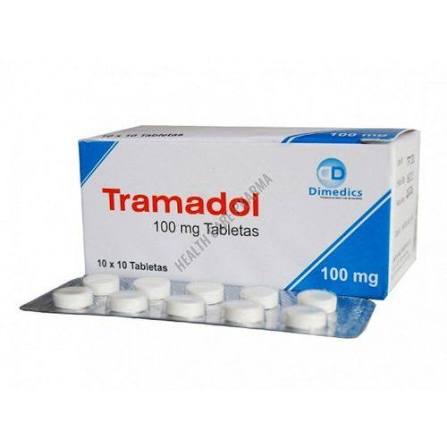
Tramadol 100mg is a prescription opioid analgesic used to manage moderate to severe pain when other pain relief options may not be sufficient. It works by affecting how the brain and nervous system process pain signals. Tramadol is available in different formulations, and its onset and duration of action depend on the specific product and individual factors.
How Does Tramadol 100mg Work?
Tramadol works through two main mechanisms: it binds to opioid receptors in the central nervous system and affects the reuptake of neurotransmitters such as serotonin and noradrenaline. These actions help reduce the perception of pain. Its effects vary depending on the formulation, dosage, other medications, and individual response.
Benefits of Tramadol 100mg
When prescribed appropriately, tramadol can help relieve moderate to severe pain and may improve comfort and the ability to carry out everyday activities. It may be considered when a healthcare professional determines that an opioid pain medicine is appropriate. The potential benefits must be weighed against risks such as dependence, sedation, and other adverse effects.
Effectiveness of Tramadol 100mg
Tramadol may provide pain relief for certain acute or ongoing pain conditions, depending on the cause and severity of the pain. However, its effectiveness differs from person to person, and it may not be suitable for every type of pain. A healthcare professional can assess whether tramadol is an appropriate option and review alternative treatments where necessary.
When Should You Avoid Tramadol 100mg?
Tramadol may be unsuitable for people with certain breathing disorders, uncontrolled epilepsy, severe intoxication, or specific medical conditions. It can interact dangerously with alcohol, sedatives, benzodiazepines, other opioids, and some antidepressants. It also carries risks of seizures, respiratory depression, dependence, and serotonin syndrome. Tell your prescriber about all medical conditions and medicines you use before taking tramadol.
Possible Side Effects
Common side effects may include nausea, dizziness, drowsiness, constipation, vomiting, and headaches. Serious reactions can include slowed or difficult breathing, seizures, severe allergic reactions, and serotonin syndrome. Seek urgent medical assistance if you experience difficulty breathing, become unusually difficult to wake, or develop other severe symptoms.
Expert Usage Advice
Tramadol 100mg should only be taken according to your prescriber’s instructions and the directions for your specific formulation. Do not increase the dose, take extra doses, or change the dosing schedule without medical advice. Avoid alcohol and driving if you feel drowsy or dizzy. Do not stop regular treatment suddenly without discussing it with your healthcare professional, as withdrawal symptoms may occur.
Safety & Purchasing Advice
Tramadol is a prescription-only controlled medicine in the United Kingdom and should be obtained only through lawful, authorised channels with a valid prescription where required. Use it only for the person for whom it was prescribed, store it securely away from children, and never share it with anyone else. If you have concerns about pain relief, side effects, or dependence, speak with a qualified healthcare professional.
Note: Tramadol 100mg can cause dependence and potentially life-threatening breathing problems, particularly when combined with alcohol or sedating medicines. Always follow professional medical advice and the patient information leaflet supplied with your medication.